

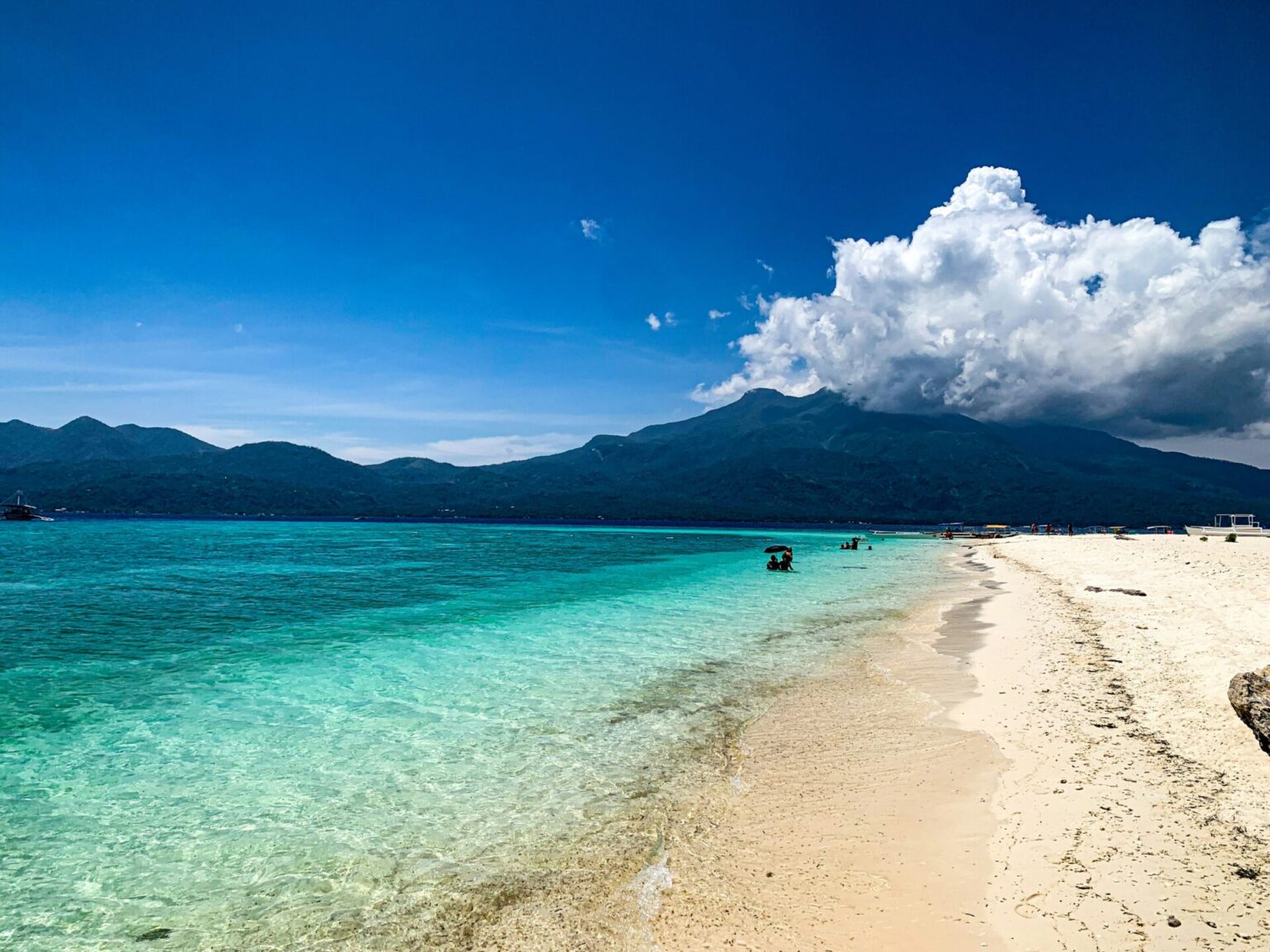
Camiguin is one of the Philippines’ best-kept secrets — an off-the-beaten-path paradise where you can swim in the ocean in the morning, soak in hot springs by afternoon, and chase waterfalls before sunset.
With seven volcanoes, rich biodiversity, and a laid-back island vibe, Camiguin is perfect for travelers looking for nature, serenity, and a touch of mystery.
Camiguin is the second-smallest province in the Philippines, both in size and population — but its landscape is rich and diverse.
The island was shaped by volcanic eruptions, and you can still see remnants of its fiery past, like the Sunken Cemetery and Old Guiob Church Ruins. It’s also home to Mt. Hibok-Hibok, an active volcano popular with hikers.
Whether you’re lounging on White Island, snorkeling at Mantigue Island, or exploring its geothermal springs, Camiguin offers a rare blend of raw nature and peaceful charm.
Camiguin is accessible by air and sea:
By Air: The easiest way is to fly from Cebu directly to Camiguin Airport (CGM). There are also occasional chartered flights from Manila.
By Sea + Land:
Fly to Cagayan de Oro (Laguindingan Airport).
Travel by land (approx. 2-3 hours) to Balingoan Port.
Take a ferry (1 hour) to Benoni Port in Camiguin.
This route is longer but allows more flexibility if flights are full.
The best time to visit Camiguin is during the dry season– from March to June, when the weather is sunny and the seas are calm — perfect for island hopping and trekking.
The island is also famous for the Lanzones Festival, held every October, celebrating the sweet tropical fruit with colorful parades and cultural shows.
Rainy months- July to November are less ideal for outdoor activities.
Loading…